

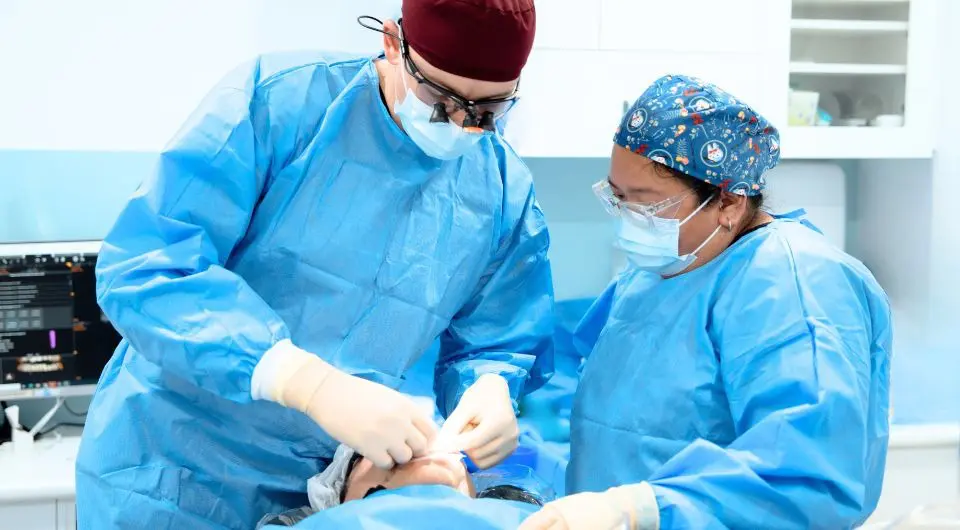
A healthy diet and habits can speed along your recovery after getting a wisdom tooth removed
5 minute read
Wisdom tooth removal is a common dental procedure, but like any treatment, it involves a recovery period and possible risks. You can lower these risks and improve your chance of a smooth recovery by following your dentist’s advice about caring for your mouth and your health in the days and weeks ahead.
If you’re having wisdom teeth removed, follow these wisdom tooth removal aftercare and dietary tips to help your mouth heal and stay complication-free in the long term. Your dentist will explain what’s involved and what to expect after the procedure during your treatment consultation.

Immediate aftercare tips (first 24–48 hours)
The first couple of days after your procedure are the most important for a smooth recovery. This is when a protective blood clot forms over the extraction site to help it heal. Try not to disturb it by poking it with your tongue or anything else. You might also experience short-term effects, such as pain and bleeding.
Controlling bleeding
You can expect a small amount of bleeding immediately after a wisdom tooth is removed and for the first 48 hours. In fact, it’s vital for forming the protective blood clot. Bleeding should only be temporary, and your dentist will apply soft gauze to the socket for you to hold down or bite gently to apply pressure for 15 minutes. If your mouth is still bleeding after 48 hours, call your dentist for advice. If your mouth is bleeding excessively, you will need to visit the clinic.
Reducing swelling
Swelling is more common after 2 to 3 days, but you can take preventive steps after your treatment to reduce its effects. These include applying an ice pack or cold compress to the side of your face for up to 20 minutes at a time and keeping your head elevated, including when sleeping.
Managing pain
You won’t feel pain during wisdom tooth removal because of the local anaesthetic, but your mouth may feel sore once the anaesthesia wears off. For most people, over-the-counter pain relief (a combination of paracetamol and ibuprofen) can be effective, but your dentist may suggest prescription pain relief in some cases. Let your dentist know if you have allergies to any medications.
Reviews of studies have found that ibuprofen may be more effective pain relief than paracetamol for wisdom tooth pain, due to its anti-inflammatory properties.* Whichever medication you use, take care to follow the dosage instructions.
* Bailey E, Worthington HV, van Wijk A, Yates JM, Coulthard P, Afzal Z. Ibuprofen and/or paracetamol (acetaminophen) for pain relief after surgical removal of lower wisdom teeth. Cochrane Database Syst Rev. 2013 Dec 12;2013(12):CD004624. doi: 10.1002/14651858.CD004624.pub2. PMID: 24338830; PMCID: PMC11561150.
Avoiding infection
Infections after wisdom tooth surgery are rare when the procedure is carried out by an experienced dentist, but this also depends on how well you can follow your dentists’ aftercare instructions. It’s important to keep the surgical area clean and avoid touching the site with your fingers or tongue as much as possible while it heals.
If you’re worried that you’re experiencing signs of an infection, or you need any other advice about wisdom tooth removal aftercare and recovery, you can call our team on (08) 9227 8777. We may be able to help you over the phone or can arrange an appointment at our Mount Lawley dental clinic.

The next few days (2–3 days after the procedure)
Once you’re past the initial recovery period, it’s still important to treat your mouth gently to avoid infections and other possible complications. You can help your mouth heal faster by keeping on top of your oral hygiene and following a soft food diet until you’re ready to eat solid foods again.
Keeping your mouth clean
You should keep up with normal tooth brushing and flossing throughout your recovery to reduce bacteria in your mouth and prevent oral health problems, but avoid brushing over the extraction site itself while it’s healing, or you could irritate the wound or dislodge the blood clot. Use a soft-bristled toothbrush and a gentle circular brushing action on each tooth on front, back and chewing surfaces.
If your tooth was surgically removed, your dentist might suggest swishing a saltwater rinse in your mouth every 2 to 3 hours after your meals to help keep the surgical site clean and promote healing. This should only start 24 hours after your surgery.
Diet tips for the first few days
What you eat after your wisdom tooth is removed can have a big impact on the healing process as well as your comfort. You’ll be able to resume a normal, healthy diet before long, but for the first few days, your dentist will usually advise:
- Eat liquidised and soft foods that are gentle on the teeth, such as soups, protein smoothies, mashed potatoes and other mashed veggies or fruit, scrambled eggs and yoghurt.
- Avoid hard, crunchy, crumbly or chewy foods, such as nuts, popcorn and tough meats, that put more strain on the teeth and jaw.
- Avoid spicy and acidic foods, such as citrus fruits and tomato-based sauces, as these may irritate the wound and cause discomfort.
- Drink plenty of water to stay hydrated. If drinking juice or smoothies, choose non-citrus options and avoid drinking through straws, as this can dislodge the blood clot and lead to a painful condition known as ‘dry socket’.
- Avoid food and drink that’s too hot or too cold, as these may cause discomfort or slow the healing process.
Lifestyle tips
Some activities and lifestyle habits could lead to complications in the early days of recovery, so you should also:
- Avoid strenuous exercise and other physical activities, as these could cause bleeding to start again.
- Avoid alcohol and caffeine that can cause dehydration, slow down healing and interact with pain medication.
- Avoid smoking, which slows healing and increases the risk of dry socket and infections.
- Avoid any stress that can delay physical healing, disrupt sleep and cause increased inflammation
If you notice any unexpected symptoms like excessive bleeding, signs of infection or pain not being relieved by medication, contact your dentist to schedule an emergency dental appointment.
Long-term recovery tips (after 3–7 days)
A few days after the procedure, your healing should be well underway, but it’s important to know what warning signs to look out for that might indicate a problem. Your dentist will normally arrange a follow-up appointment after a week or two to check that you’re healing well.
Diet tips during recovery
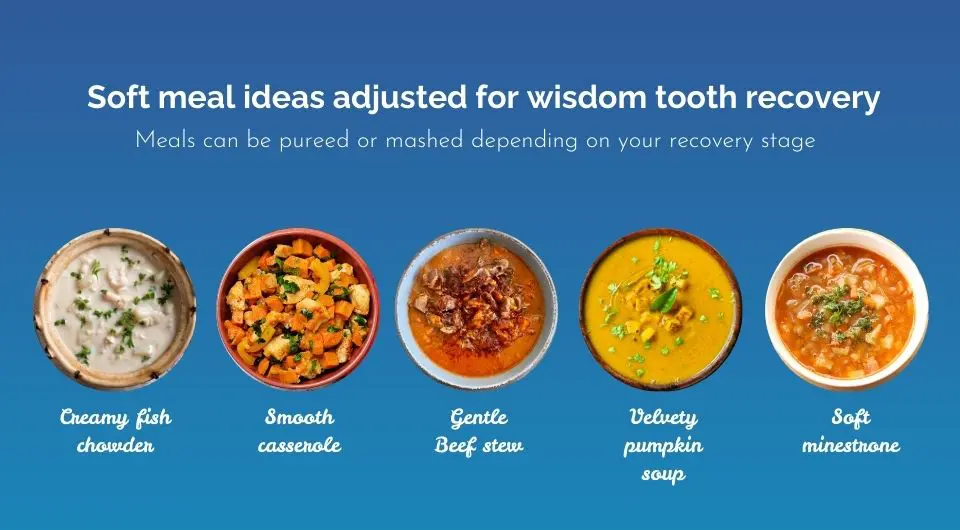
It’s still recommended to avoid hard and chewy foods while your mouth is healing in the first two weeks, but you can slowly reintroduce soft solid foods, such as steamed vegetables after the first seven days. A balanced diet rich in vitamins and minerals can speed up healing, particularly foods rich in vitamin C, protein and calcium such as leafy greens, lean meats and whole grains.
Check out the following recipes that have been specially adjusted to enjoy during recovery. In the first 1 to 3 days after your procedure, blend ingredients until smooth, and in days 3 to 7 you can mash ingredients until soft enough.
Avoiding complications
Complications of wisdom tooth removal are rare when you follow your dentists’ recovery instructions, but we’ll make sure you understand the risks and what warning signs to look for.
- Dry socket is a condition that can happen if the blood clot over the extraction site is lost or fails to form properly. If this happens, it can be extremely painful and needs the attention of a dentist. You can normally prevent dry socket by not brushing or touching the site directly and not using straws or creating other suction with your mouth during the initial recovery period.
- Infection is also a risk following surgical removal, which can even occur up to 4 weeks later in some cases.* You should contact your dentist if you notice possible signs of infection such as fever, pus or discharge, or if you have difficulty opening your mouth. You can lower the risk of infections by keeping the area clean and following the recommended diet of soft and nutritious foods.
* Miyazaki R, Sukegawa S, Nakagawa K, Nakai F, Nakai Y, Ishihama T, Miyake M. Risk Factors for Delayed-Onset Infection after Mandibular Wisdom Tooth Extractions. Healthcare (Basel). 2023 Mar 16;11(6):871. doi: 10.3390/healthcare11060871. PMID: 36981527; PMCID: PMC10048475.

What our patients say
Both very nice dentists and felt so at ease. Really pleased with my experience at Mount Lawley – the reception team reached out afterward to see if I was okay. Thank you and I will continue to come!” – Shiba Shibs
“I had an excellent dentist who listened attentively and addressed all my concerns directly and honestly. The rest of the team I’ve met are just as awesome. Highly recommend.” – Luke
“I’ve been to Mount Lawley Dental a few times now over the last year or so. Never experienced anything other than friendly professional service.” – Thomas Ryan-Allen
References
Bailey E, Worthington HV, van Wijk A, Yates JM, Coulthard P, Afzal Z. Ibuprofen and/or paracetamol (acetaminophen) for pain relief after surgical removal of lower wisdom teeth. Cochrane Database Syst Rev. 2013 Dec 12;2013(12):CD004624. doi: 10.1002/14651858.CD004624.pub2. PMID: 24338830; PMCID: PMC11561150.
Miyazaki R, Sukegawa S, Nakagawa K, Nakai F, Nakai Y, Ishihama T, Miyake M. Risk Factors for Delayed-Onset Infection after Mandibular Wisdom Tooth Extractions. Healthcare (Basel). 2023 Mar 16;11(6):871. doi: 10.3390/healthcare11060871. PMID: 36981527; PMCID: PMC10048475.